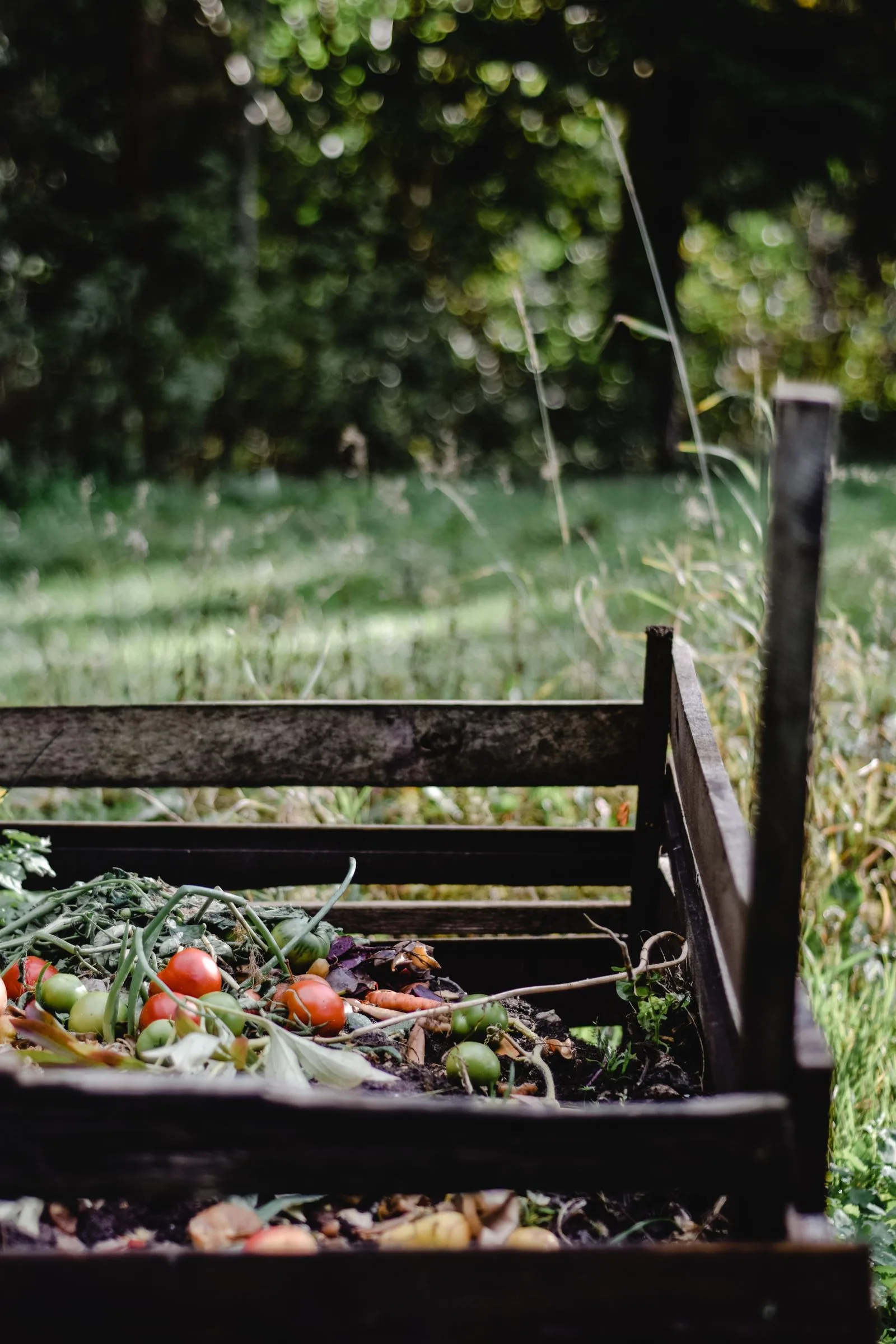
Backyard Composting
Turn food scraps and yard trimmings into finished compost in an outdoor bin or pile.
Best for: Households with a yard and a steady supply of dry leaves.
Composting field guide
Compare 16 types of composting and food-waste processing, then learn how to start composting at home. From a worm bin under the sink to an aerated commercial pile, each guide explains the setup, actual work, accepted inputs, common failures, and finished output.

Start with the process
Composting is the managed, oxygen-dependent biological decomposition of organic material. Microbes need a workable mix of carbon-rich browns, nitrogen-rich greens, moisture, and air. The result is compost, a stable soil amendment. That definition comes from the U.S. Environmental Protection Agency.
Along with conventional food-waste composting methods, this field guide covers bokashi, Green Cone digesters, apartment collection, and anaerobic digestion because people use those routes to manage food scraps. The pages name the differences plainly. Fermented bokashi material needs a second stage. A Green Cone produces little harvestable material.
Turn food scraps and yard trimmings into finished compost in an outdoor bin or pile.
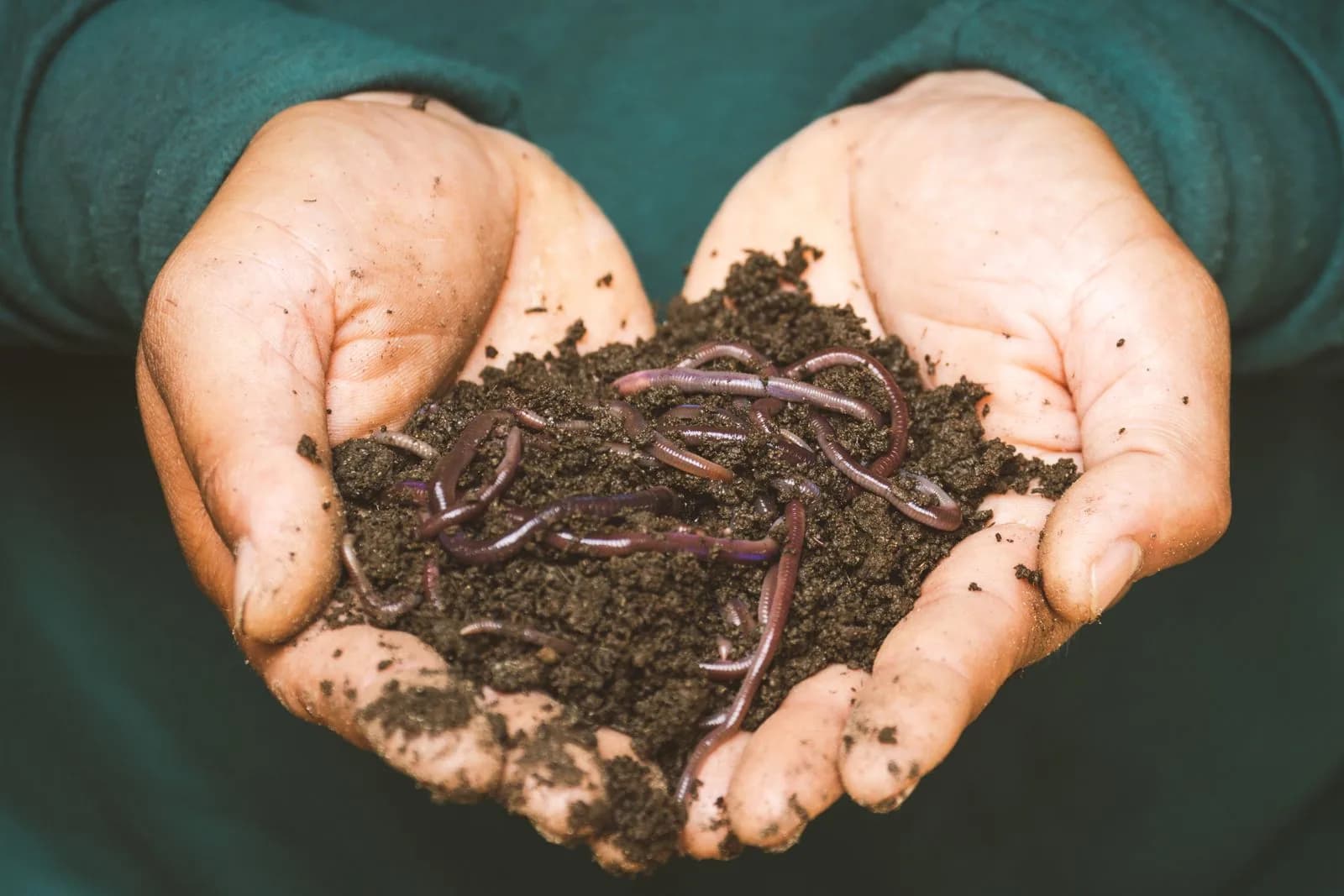
Use composting worms to process plant-based food scraps in a ventilated bedding bin.
The main types
For home composting, the main choices are hot composting, cold composting, and vermicomposting. Hot piles need active management; cold piles favor patience; worm bins use a living bedding habitat. This is the practical grouping used by University of Florida IFAS Extension.
A backyard bin and a tumbler describe containers. Hot and cold describe how the material is managed. A backyard bin can therefore be run either way. Trench and sheet composting move the process into a future planting area instead of a separate pile.
At larger sites, the common equipment choices include turned windrows, aerated static piles, and in-vessel systems. They differ in how they mix material, supply air, and contain the active process. The EPA overview explains those distinctions.
Bokashi fermentation and anaerobic digestion are included here because they are common food-scrap options. Neither directly produces finished compost. Apartment and community composting describe where and with whom the work happens, rather than a separate biology.
Beginner guide
Start by choosing where the material will be processed. A backyard bin or pile suits households with outdoor space and access to dry leaves or other carbon-rich material. A worm bin can work indoors. If neither fits, use a dependable community drop-off or curbside collection service instead of keeping an unmanaged container of food scraps.
For backyard composting, save browns such as dry leaves, small twigs, or untreated wood chips. Mix them with nitrogen-rich greens such as fruit and vegetable scraps, coffee grounds, and fresh yard material. Keep the mixture about as damp as a wrung-out sponge and restore airflow when it becomes compacted or develops a strong odor. Cover fresh food with browns, leave out meat, dairy, oils, and pet waste, and let the finished compost cure before using it. The EPA provides a detailed home composting guide with setup, material, and troubleshooting instructions.
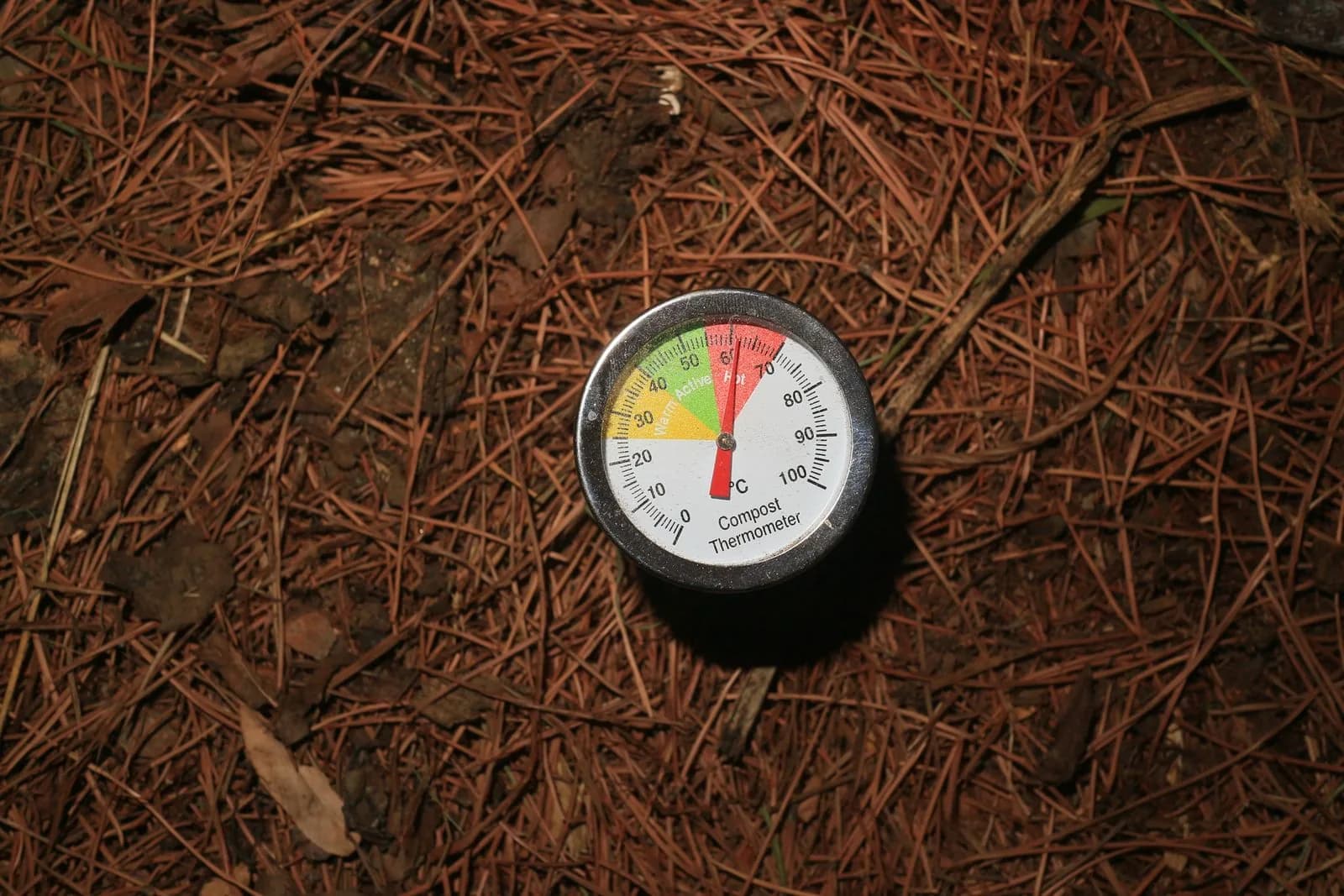
Build and turn a full batch so microbial heat breaks organic material down quickly.
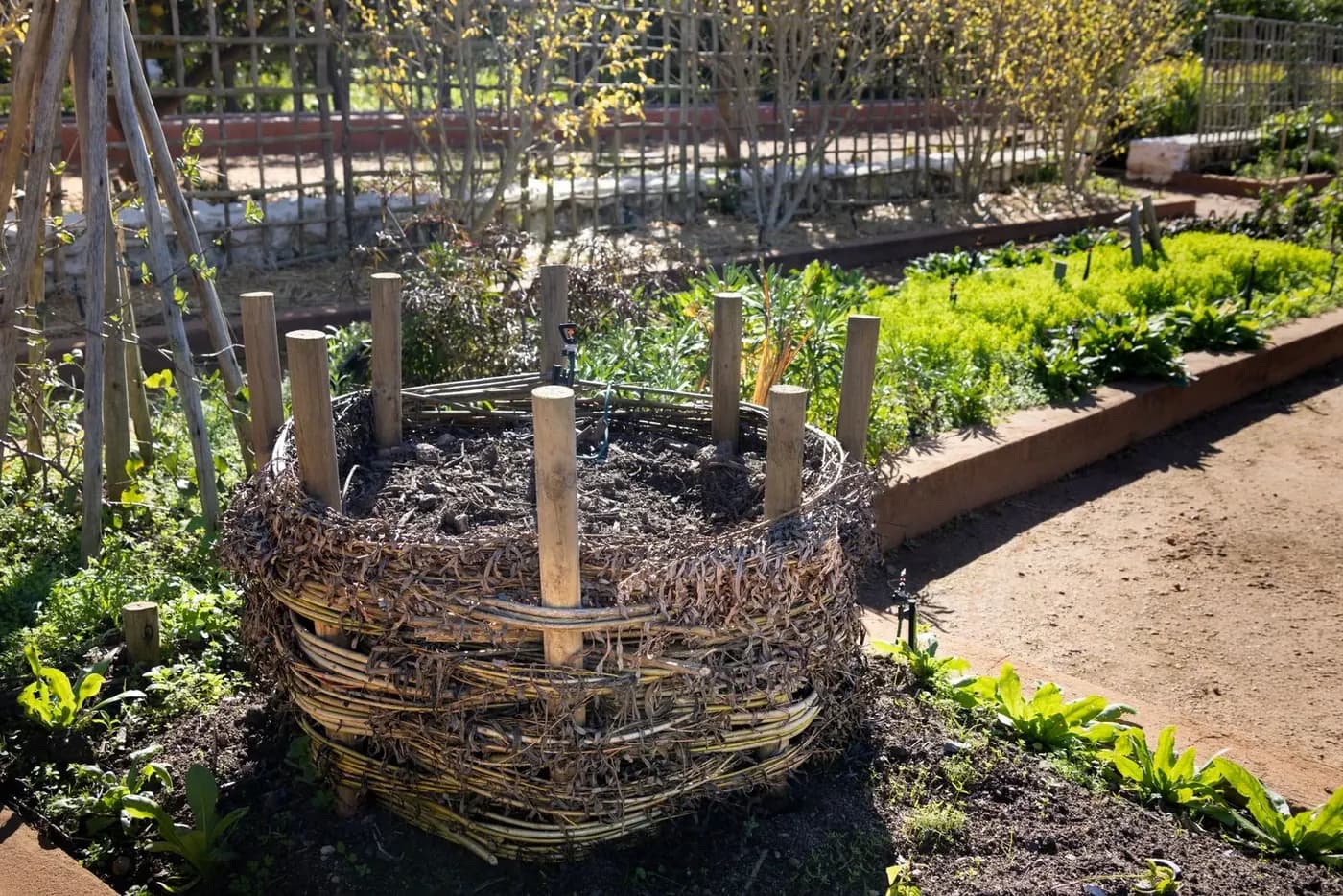
Contain and mix a compost batch in a rotating outdoor drum.
Choosing well
Choose hot composting when you have enough material for a batch and can monitor and turn it. Choose cold composting when scraps arrive gradually and speed matters less. Both can produce useful compost; a passive pile should not be relied on to destroy weed seeds or plant pathogens. See NC State Extension’s process guidance.
A worm bin processes modest suitable scraps where its bedding stays ventilated and protected. Bokashi can ferment a wider food mix in a sealed bucket, but you must arrange a finishing stage. Washington State University’s bokashi guide explains why fermented material is still pre-compost. If you have neither a suitable habitat nor a finishing destination, start with the apartment collection options.
A stationary bin is useful for bulky garden material. A tumbler contains a smaller batch and makes mixing convenient for some users, but a full drum can be heavy to rotate. Compare available space and the work of emptying it, not just the advertised volume. Oregon State University compares home systems by the materials, effort, and intended output.
Side-by-side
Use the table to compare composting options by setting, work, output, and best fit. Some entries describe a process, others a setting or collection route. They are not 16 mutually exclusive biological processes.
| Method | Setting | Work | Output | Best fit |
|---|---|---|---|---|
| Backyard Composting | Outdoor bin or enclosed pile | Regular checks; turning effort depends on the system | Finished compost for soil and mulch | Households with a yard and a steady supply of dry leaves |
| Hot Composting | Outdoor batch pile, often about one cubic yard | High during the active phase | Compost after an active phase and a separate cure | Gardeners with enough material to build a full batch |
| Cold Composting | Outdoor bin, bay, or defined pile | Low | Finished compost, usually harvested from the oldest material | Gardeners who value low effort more than fast compost |
| Vermicomposting | Indoors or in a protected, temperature-stable space | Regular light feeding and habitat checks | Worm castings and partly decomposed bedding | Apartments, classrooms, and households with limited food scraps |
| Bokashi Composting | Sealed indoor bucket, followed by soil or compost finishing | Layer, seal, drain, and arrange finishing | Fermented pre-compost that needs a second stage | Small spaces with a reliable place to finish fermented scraps |
| Trench Composting | Unused garden soil or a future planting row | Low after digging | Organic matter in place, not harvestable compost | Gardeners with open beds and no need to harvest a separate compost pile |
| Tumbler Composting | Outdoor rotating drum on a stable base | Moderate | A contained batch of compost | Small yards where containment and easier mixing matter |
| Sheet Composting | A future garden bed or fallow planting area | Moderate during construction, low afterward | An amended bed in place | Creating or rebuilding garden beds several months before planting |
| Green Cone Composting | Sunny outdoor site with diggable, well-drained soil | Low after correct installation | Mostly water, gases, and a small nutrient-rich residue | Households with sunny, well-drained soil that want food disposal rather than compost |
| Apartment Composting | Kitchen, utility area, balcony, shared collection room, or local service | Low to moderate, depending on the destination | Castings at home or clean separated scraps for a processor | Renters and households without private outdoor soil |
| Urban Composting | Apartments, buildings, schools, gardens, drop-offs, and curbside routes | Low for residents; higher for operators | Clean feedstock for composting or digestion, or compost made locally | City residents, property managers, and neighborhood organizers |
| Community Composting | Schools, gardens, farms, parks, nonprofits, and neighborhood sites | High for operators; low to moderate for participants | Compost intended for nearby soil and community benefit | Neighborhoods, schools, gardens, farms, and local nonprofits |
| Anaerobic Digestion | Engineered farm, wastewater, industrial, or stand-alone facility | Continuous monitoring, gas handling, and residuals management | Biogas plus liquid and solid digestate | Engineered facilities handling pumpable or preprocessed organics |
| Windrow Composting | Permitted outdoor or covered facility with an engineered working surface | Regular equipment operation and process monitoring | Compost after active processing, curing, and screening | Farms, municipalities, and commercial sites with land and mobile equipment |
| Aerated Static Pile Composting | Engineered outdoor, covered, or enclosed composting pad | Mixing, blower maintenance, and monitoring | Compost after an active aerated phase and curing | Sites that need faster processing and less active-phase turning |
| In-Vessel Composting | Institutional, commercial, municipal, or farm facility | Trained operation, equipment care, and monitoring | Partly stabilized material that normally requires curing | Institutions and facilities needing a compact, enclosed active process |
At home
These methods put the processing in a yard, garden, utility area, or kitchen. Space, dry carbon material, animals, physical work, and the desired output narrow the choice quickly.
Turn food scraps and yard trimmings into finished compost in an outdoor bin or pile.
Best for: Households with a yard and a steady supply of dry leaves.
Build and turn a full batch so microbial heat breaks organic material down quickly.
Best for: Gardeners with enough material to build a full batch.
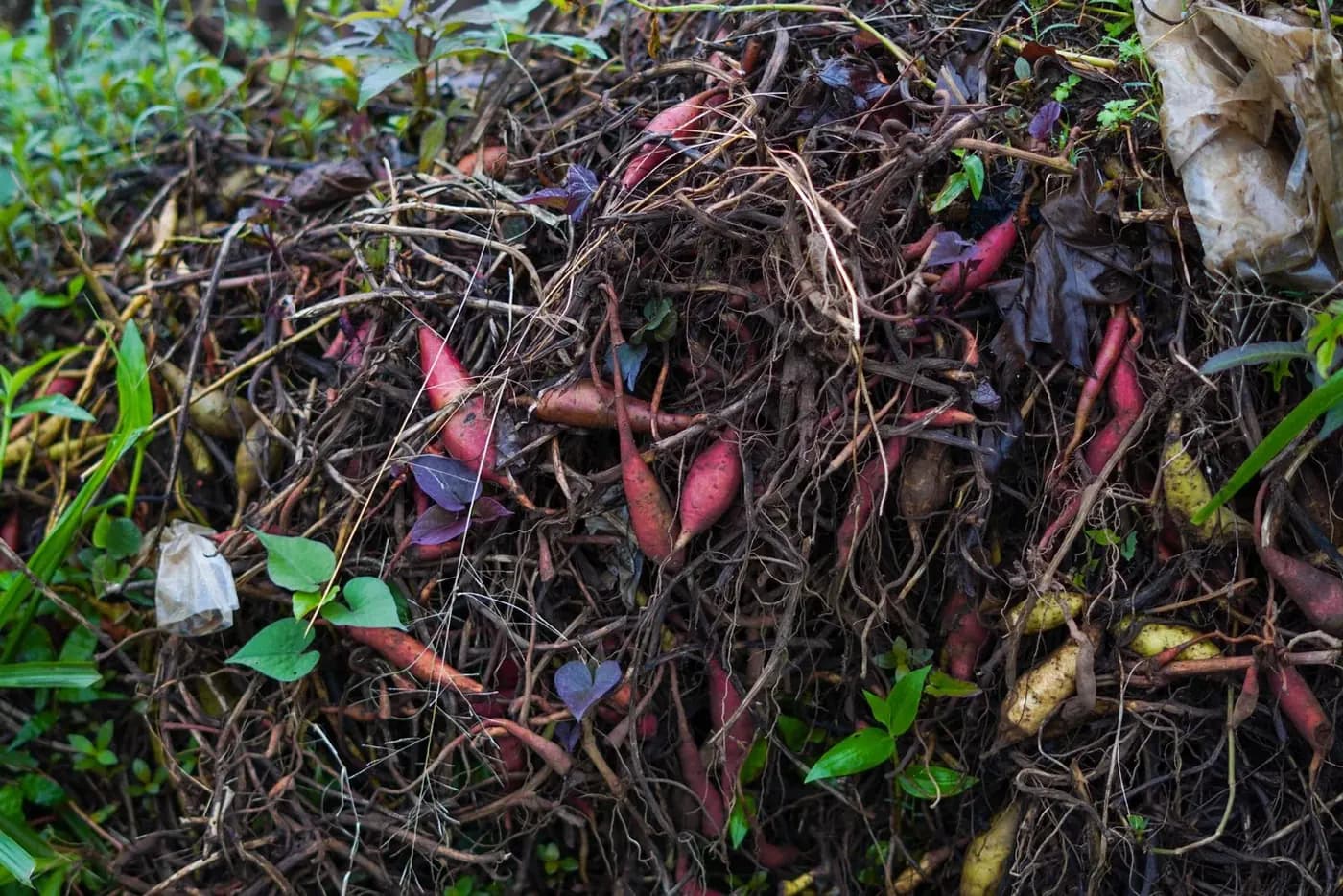
Add clean organic material over time and let a passive pile decompose with little turning.
Best for: Gardeners who value low effort more than fast compost.
Use composting worms to process plant-based food scraps in a ventilated bedding bin.
Best for: Apartments, classrooms, and households with limited food scraps.

Ferment food scraps in a sealed bucket, then finish the acidic material in soil or compost.
Best for: Small spaces with a reliable place to finish fermented scraps.
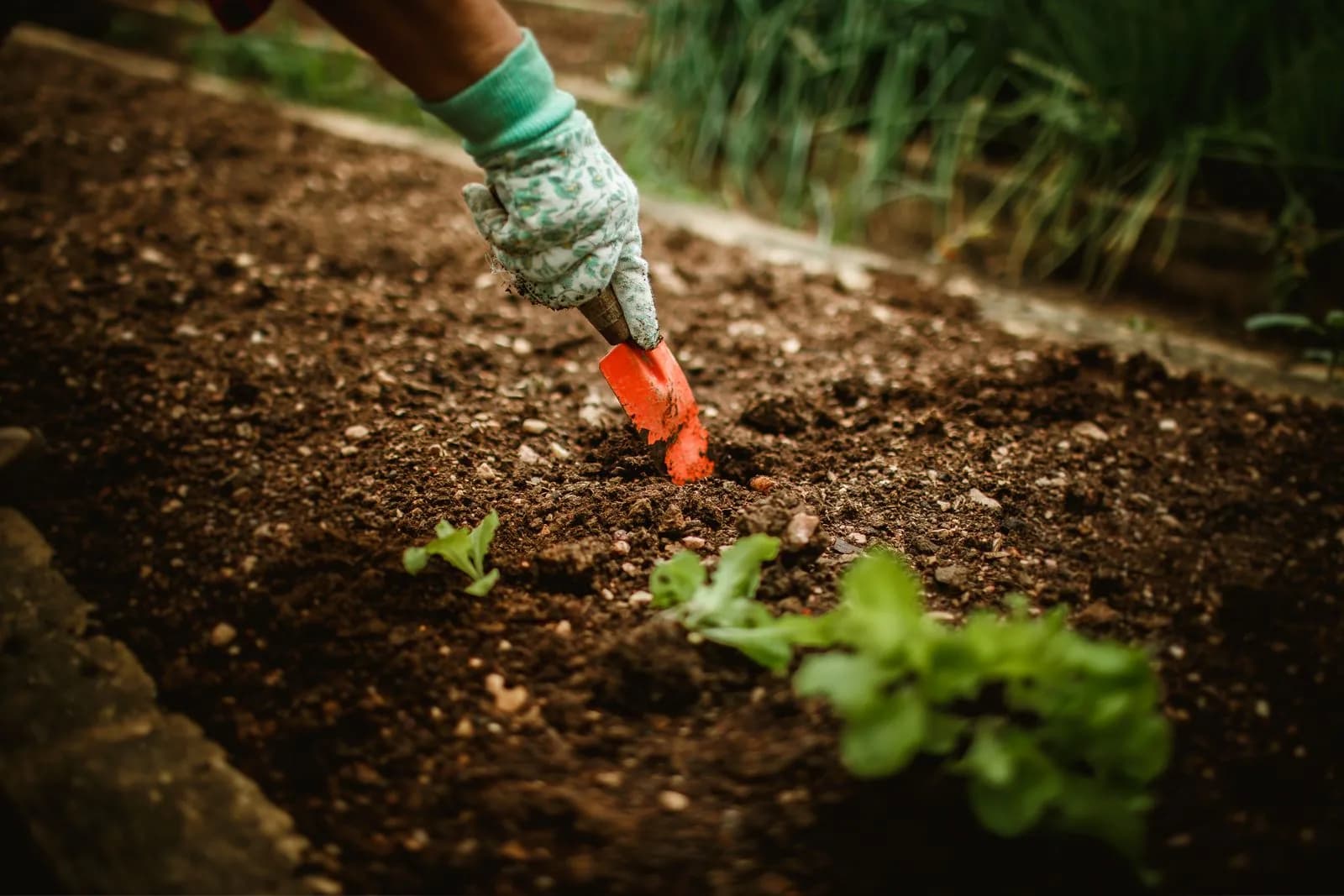
Bury plant-based scraps in unused garden soil and let them decompose in place.
Best for: Gardeners with open beds and no need to harvest a separate compost pile.
Contain and mix a compost batch in a rotating outdoor drum.
Best for: Small yards where containment and easier mixing matter.

Build a garden bed by layering clean carbon and nitrogen materials over the soil surface.
Best for: Creating or rebuilding garden beds several months before planting.
Use a partly buried solar food digester to break scraps down on site without harvesting compost.
Best for: Households with sunny, well-drained soil that want food disposal rather than compost.
Shared space
These guides treat collection and operations as part of the method. A pail only works when it reaches a dependable processor, and a community site only works when someone owns the recurring labor.
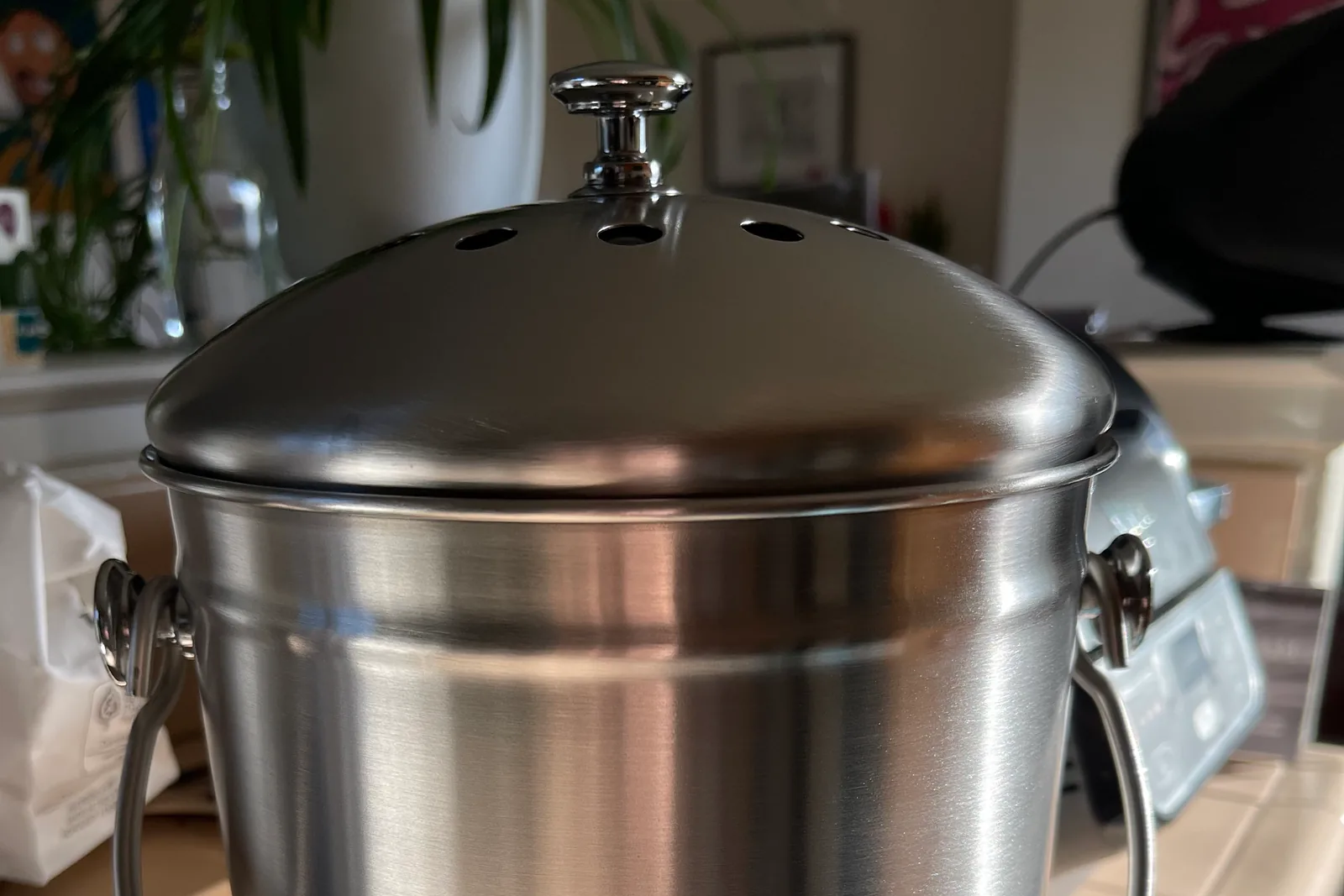
Separate food scraps in a small space through a worm bin, sealed storage, drop-off, or pickup.
Best for: Renters and households without private outdoor soil.
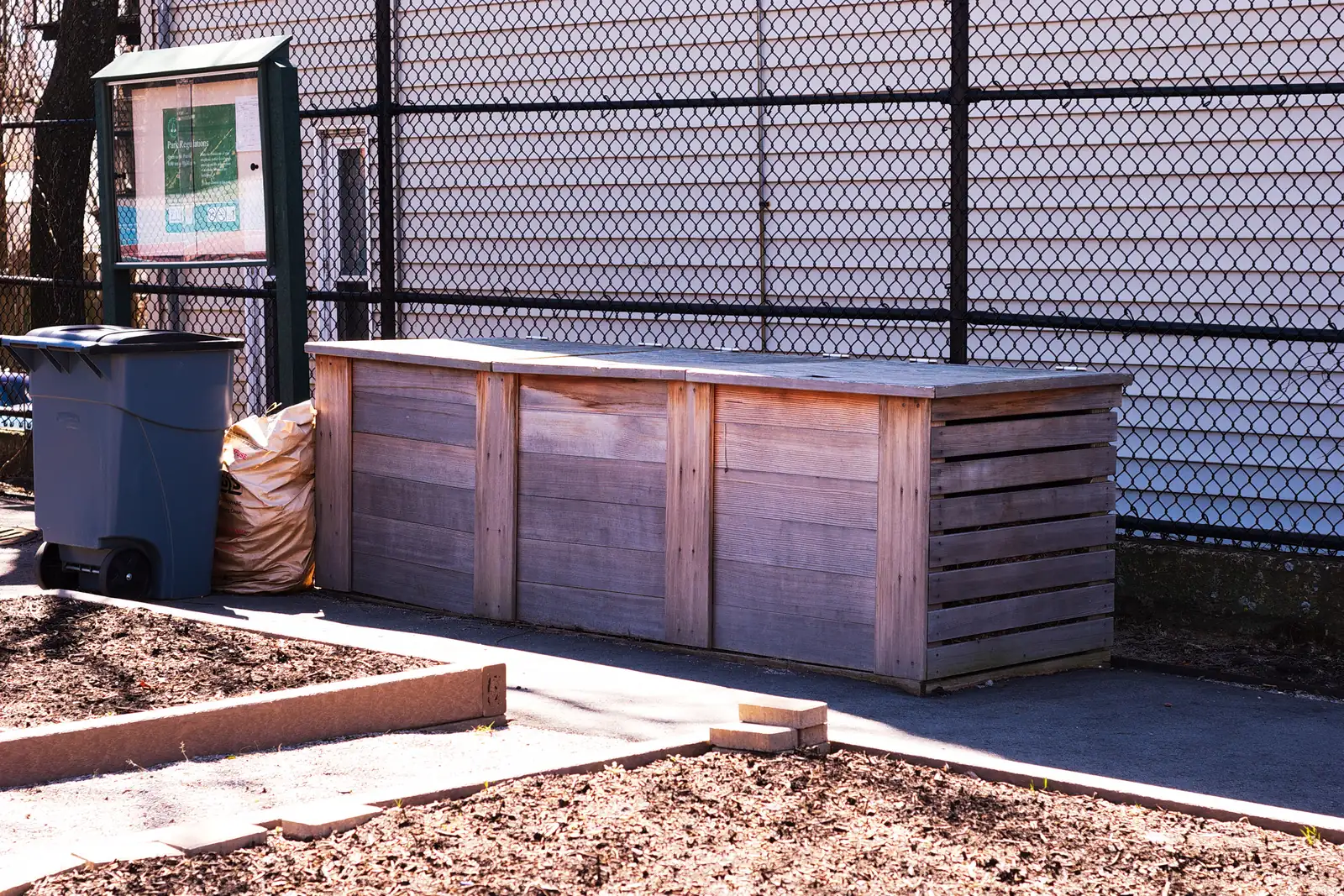
Use compact home systems, building collection, neighborhood drop-offs, or pickup in a city.
Best for: City residents, property managers, and neighborhood organizers.
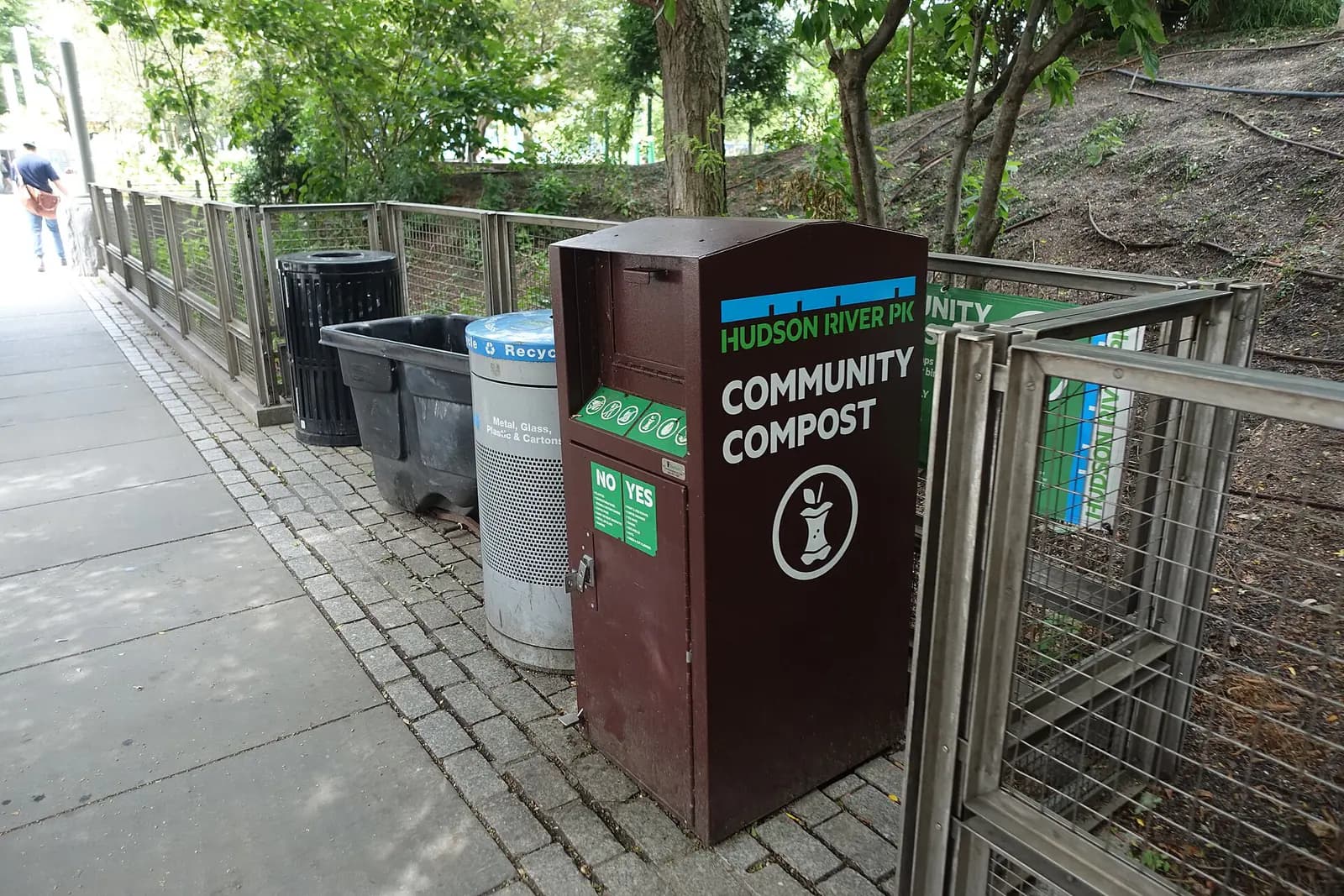
Source organic material locally, involve residents, and return finished compost to local soils.
Best for: Neighborhoods, schools, gardens, farms, and local nonprofits.
Larger scale
Windrows, aerated piles, and vessels are aerobic composting systems. Anaerobic digestion is included for comparison because many food-scrap programs send material to digesters.
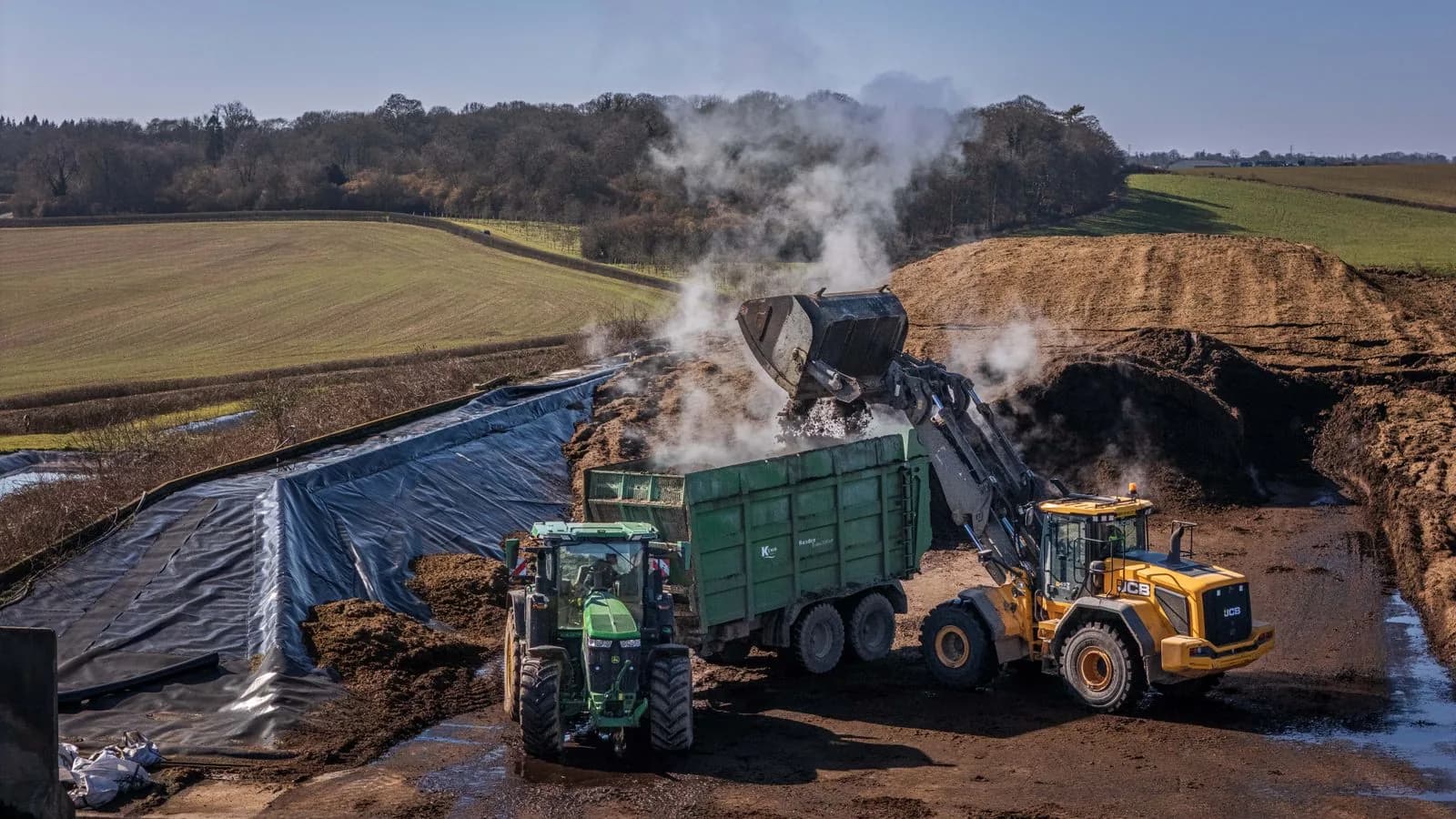
Form organic material into long rows and turn or aerate them through the active phase.
Best for: Farms, municipalities, and commercial sites with land and mobile equipment.
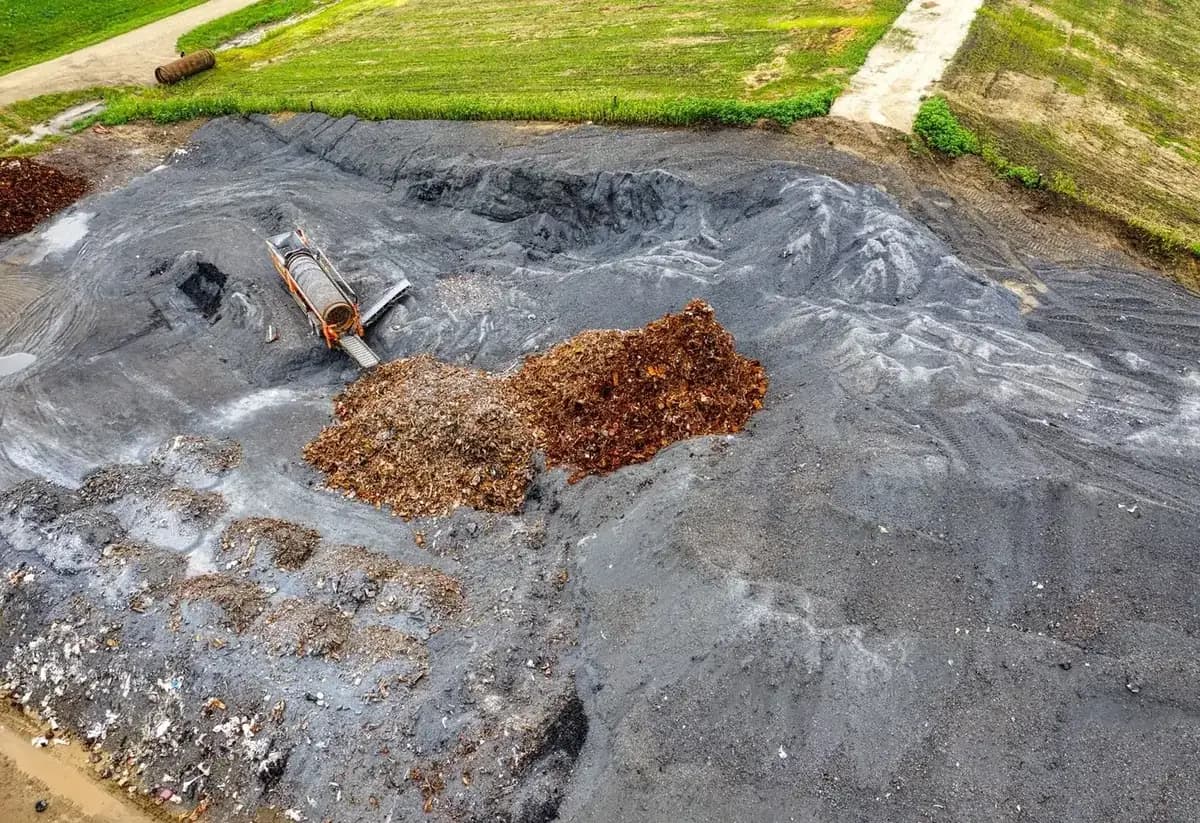
Move air through a prepared compost pile with pipes and blowers instead of routine turning.
Best for: Sites that need faster processing and less active-phase turning.
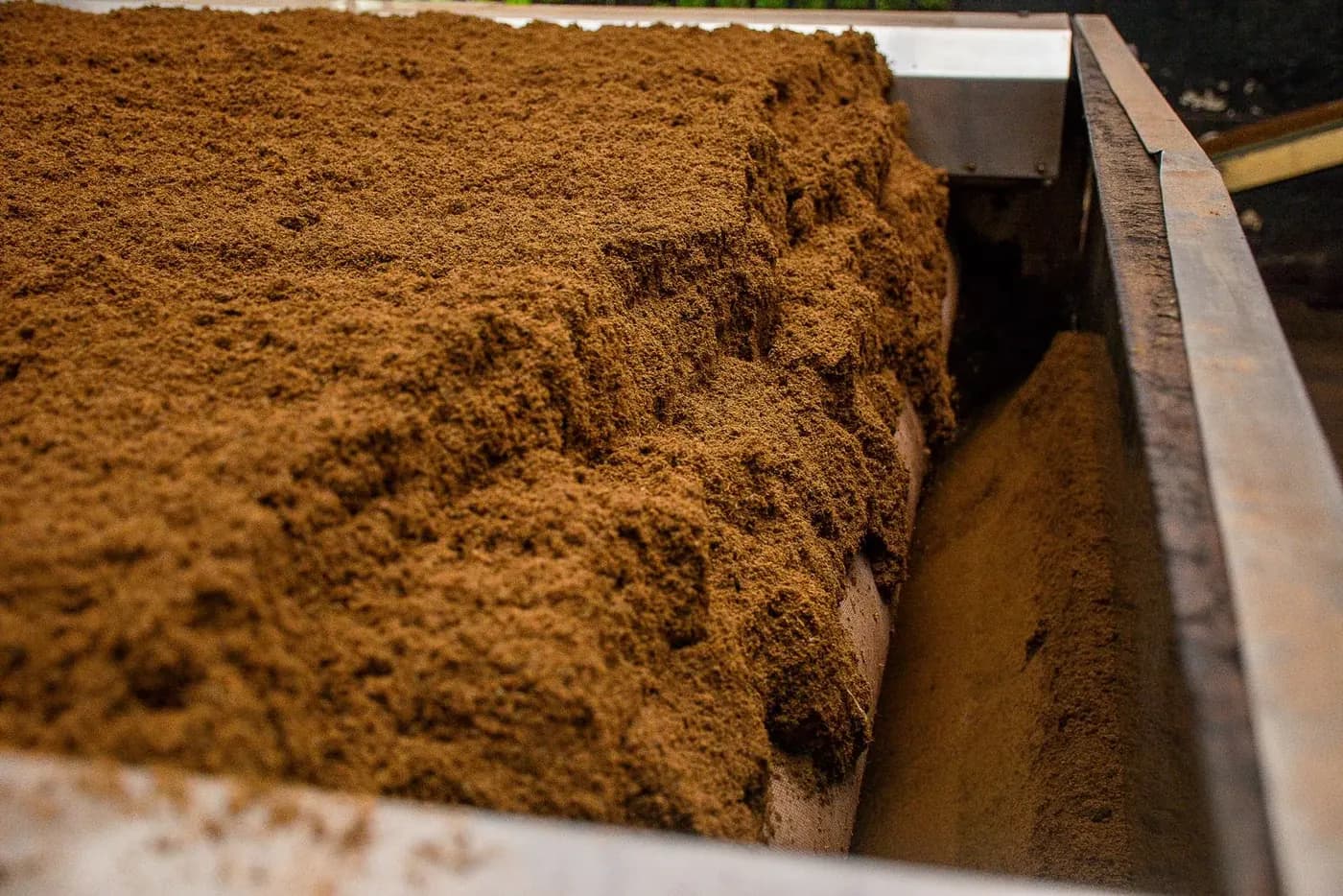
Compost inside enclosed drums, tunnels, silos, or agitated bays with controlled air and mixing.
Best for: Institutions and facilities needing a compact, enclosed active process.

Break organic material down without oxygen to produce biogas and digestate.
Best for: Engineered facilities handling pumpable or preprocessed organics.
Decision guide
Why it matters
Composting keeps food scraps and yard trimmings out of landfills and incinerators, recovers nutrients, and creates a useful soil amendment. Applying finished compost can improve soil structure, help soil retain water and nutrients, reduce erosion, and support plant growth.
Those benefits depend on managing the process and using the finished material well. A method should fit the available space, inputs, labor, and end use. The comparison and field guides on this page help beginners choose a system they can maintain rather than buying equipment first and solving the practical problems later.
Common questions
For households, hot composting, cold composting, and vermicomposting are useful broad categories. At larger facilities, common systems include turned windrows, aerated static piles, and in-vessel composting. Bins and tumblers are containers; apartment and community composting describe settings or programs. These categories can overlap.
Some resources use anaerobic composting broadly for decomposition without oxygen. This guide distinguishes managed aerobic composting from anaerobic digestion and bokashi fermentation because their processes and outputs differ. Digestate and fermented food are not automatically finished compost.
A contained backyard bin is a forgiving choice for a household with outdoor space and dry leaves. Apartment residents may find collection or a small worm bin easier. The best beginner method is the one with a reliable destination, realistic capacity, and a routine the household can keep.
A well-built hot pile can complete its active phase in several weeks, but it still needs curing. Commercial aerated and in-vessel systems can control conditions more closely. No honest timeline ignores feedstock, climate, process control, and curing.
No. Ordinary backyard, tumbler, cold, worm, trench, and sheet systems should leave meat, dairy, bones, and oily food out. Bokashi and Green Cone systems can handle a broader range when used correctly, and some permitted commercial facilities accept them.
Most residential grinders and dehydrators reduce the weight, volume, and odor of food scraps but do not make stable compost. Their output still needs a compatible destination.
Start with space, the kinds and amount of material, physical work, animal pressure, desired output, and the actual processor or soil destination. Compare those constraints before buying equipment.
Choose a method that fits your space, decide where finished material will go, and save a steady supply of carbon-rich browns. For a backyard bin, combine browns with food scraps and other nitrogen-rich greens, keep the mix moist but not soaked, and restore airflow when it becomes compacted or smells bad.
Composting keeps food scraps and yard trimmings out of disposal and turns them into a useful soil amendment. Finished compost can improve soil structure, help soil retain moisture and nutrients, reduce erosion, and support plant growth.
Home-method categories and their practical limitations.
Hot and cold processes and ingredient management.
Fermentation and the required finishing stage.
Containers, effort, and choosing a method for the intended output.
Definitions, process, and the role of finished compost as a stable soil amendment.
Process conditions and comparisons across home, community, and facility-scale methods.
Home setup, accepted materials, pile management, troubleshooting, curing, and use.
Community-scale locations, local participation, operations, and finished-compost use.
Household composting methods and practical uses for finished compost.